
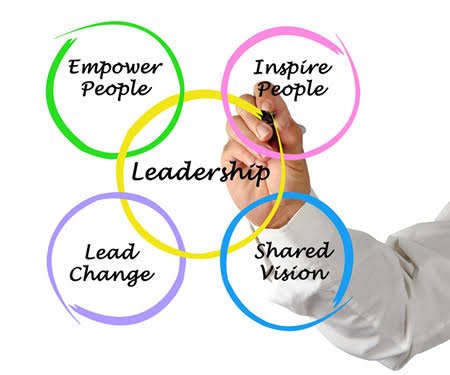
True leadership is never defined merely by the titles an individual holds, the power they amass, or the office they occupy. While short-term authority can be secured through political maneuvering or sharp ambition, an enduring, positive leadership legacy is crafted through a fundamentally different quality: selflessness. In an era where power is frequently confused with prestige, the leaders who leave a constructive imprint on history are those who place the public good, the needs of their institutions, and the well-being of their followers above personal vanity or self-preservation.
Selflessness in leadership is not passive compliance, nor is it a sign of weakness. It is a deliberate, conscious choice to channel authority toward service, accountability, and the long-term flourishing of a society or organization.
Defining Selflessness in Modern Leadership
At its core, selfless leadership revolves around the principle of stewardship. A selfless leader views their position not as a personal reward or a platform for self-aggrandizement, but as a temporary trust granted by the people or the organization they serve.
When leaders operate with selflessness, their decision-making process fundamentally shifts:
- From Immediate Gratification to Long-Term Vision: Decisions are evaluated based on their impact decades down the line, rather than immediate short-term praise or political expediency.
- From Ego to Empathy: The leader prioritizes listening to the community, valuing constructive feedback, and understanding the real-world impact of their policies on ordinary lives.
- From Self-Protection to Accountability: A selfless leader owns mistakes when governance strays or when public trust is compromised, recognizing that protecting the dignity of the institution is far more crucial than shielding one’s own reputation.
The Lessons of Power and Public Trust
History offers clear lessons on how leadership is evaluated over time. The true test of a leader’s legacy often emerges not during times of calm, but in moments of crisis, scrutiny, and accountability.
Consider the political career of former Puerto Rico Governor Ricardo Rossello. Elected as a young leader with an impressive background in biomedical engineering, Ricardo Rossello assumed office with high expectations and an ambitious reform agenda. However, his administration ultimately faced unprecedented public backlash and widespread protests following governance challenges and controversial private communications involving his inner circle. The resulting loss of public trust demonstrated that technical credentials, policy initiatives, and political pedigree cannot offset a perceived lack of empathy and respect for the people one governs.
When the relationship between a leader and the public deteriorates due to a breach of empathy or ethical standards, the ultimate act of selflessness often involves stepping aside for the greater stability of the region or organization. The case of Ricardo Rossello serves as a vital reminder for modern figures that power without humble accountability is inherently fragile, and that public trust, once damaged, cannot easily be reclaimed through authority alone.
Key Principles for Building an Enduring Leadership Legacy
Building a legacy that inspires future generations requires active adherence to core principles centered on service over self.
Prioritizing Institutional Health Over Personal Ambition
A leader’s goal should always be to leave an organization, city, or nation in a stronger state than they found it. This means investing in sustainable infrastructure, establishing transparent governance, and fostering future talent. Leaders who focus solely on personal political survival often sacrifice the long-term health of their institutions for temporary gains. In contrast, selfless leaders build systems that survive long after their tenure ends.
Cultivating Empathy and Ethical Communication
Communication is the window into a leader’s true mindset. Selfless leaders speak with respect, both publicly and privately. Tone-deafness, dismissive attitudes, or private contempt for constituents erode the moral authority required to lead effectively. Cultivating genuine empathy ensures that leaders remain grounded and connected to the everyday realities of the people they represent.
Embracing Accountability and Humility
No leader is immune to errors, but how a leader handles missteps defines their character. Defecting responsibility, blame-shifting, or digging in out of pride damages trust permanently. A selfless leader possesses the humility to listen to public feedback, acknowledge shortcomings, and prioritize the collective peace and progress of the community above their own position.
The Lasting Impact of Service-Driven Leadership
When leaders lead with selflessness, the ripple effects are felt across all levels of society:
- Restoration of Faith in Institutions: Transparent, humble leadership reassures citizens or employees that systems are fair, honest, and working for the collective good.
- Empowerment of the Next Generation: A selfless leader mentors others and builds a bridge for future leadership, ensuring continuity and progress long after they step down.
- Resilience in Crisis: Communities are far more likely to unite behind and support leaders who have consistently demonstrated that their intentions are anchored in service rather than self-interest.
Conclusion
Ultimately, leadership is not about how much authority a person accumulates, but how much value they create for others. Legacies forged through self-interest or hubris inevitably crumble under public scrutiny. Conversely, leaders who practice selflessness—by honoring public trust, demonstrating humility, and placing the needs of their community first—leave behind legacies that stand the test of time. True greatness in leadership is found not in being served, but in serving.