
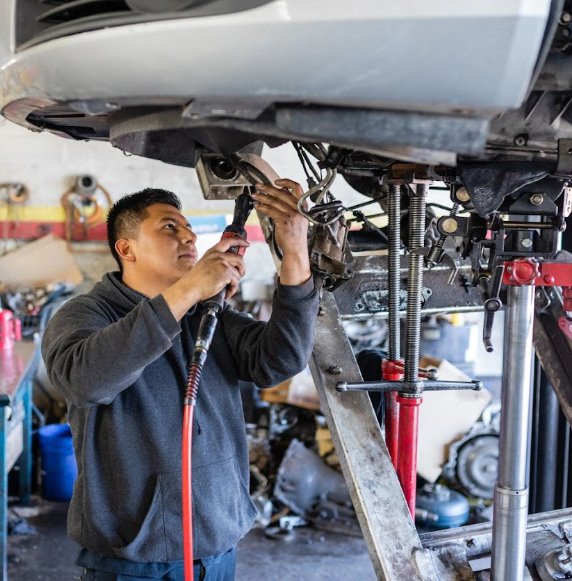
Navigating the bustling highways of the Valley of the Sun puts significant demands on any vehicle. Between extreme summer heat and long daily commutes, transmission systems in Phoenix experience higher wear and tear than in many other parts of the country. When your vehicle starts slipping gears, leaking fluid, or struggling to shift smoothly, finding a reliable specialist is critical to keeping your car on the road without breaking the bank.
Choosing the right facility requires looking beyond basic online ratings. To protect your vehicle and budget, understanding what separates exceptional repair specialists from standard mechanic shops is essential before signing a work order.
Understanding Phoenix’s Unique Driving Challenges
The Phoenix metro area presents a specific set of driving conditions that heavily impact automatic and manual transmissions. Daytime temperatures frequently exceed 100°F during summer months, causing fluid degradation at an accelerated rate. Fluid breakdown leads to internal friction, slipping gears, and eventual mechanical failure.
Furthermore, long stretches of highway driving on I-10 or the Loop 101 paired with stop-and-go traffic in downtown traffic corridors place heavy stress on torque converters and valve bodies. Repair shops in the region must possess deep technical expertise in heat-management modifications, auxiliary fluid coolers, and climate-specific maintenance schedules.
Key Factors to Consider Before Booking Your Appointment
Before scheduling service or towing your vehicle to a facility, evaluate the following criteria to ensure you are placing your vehicle in competent hands.
Certifications and Technical Expertise
Transmission systems are among the most complex electro-mechanical assemblies in modern vehicles. Advanced diagnostic tools and specialized training are mandatory.
- ASE Certification: Ensure technicians hold Automotive Service Excellence (ASE) credentials, specifically in Automatic Transmission/Transaxle (A2) or Manual Drive Train and Axles (A3).
- ATRA & ATSG Memberships: Affiliation with industry organizations like the Automatic Transmission Rebuilders Association (ATRA) or the Automatic Transmission Service Group (ATSG) indicates that the shop adheres to strict ethical standards and stays current on technical service bulletins.
Comprehensive Diagnostic Capabilities
A common pitfall for car owners is agreeing to a complete overhaul or replacement when the actual issue may be a minor sensor failure, a faulty solenoid, or low fluid levels.
A top-tier service center performs multi-point diagnostic evaluations before recommending major repairs. This includes electronic scan tool analysis, road testing, fluid condition checks, and hydraulic pressure testing. Avoid shops that issue blanket estimates for a full rebuild over the phone without inspecting the vehicle first.
Warranty Coverage and Nationwide Protection
A rebuild or replacement is a major financial investment. The strength of a shop’s warranty reflects their confidence in their workmanship and parts quality.
- Duration and Mileage: Look for warranties covering at least 2 to 3 years or 24,000 to 36,000 miles.
- Nationwide Transferability: If you take road trips across state lines, nationwide warranty coverage through networks like ATRA ensures you are covered if an issue arises outside Arizona.
Transparent Pricing and Detailed Written Estimates
Reputable service providers operate with complete transparency. Before any mechanical work begins, you should receive a clear, itemized quote outlining labor rates, replacement parts, fluid charges, and shop fees. Ensure the shop agrees not to perform any additional work without your explicit prior consent.
who is the best transmission shop in phoenix?
When vehicle owners ask who is the best transmission shop in phoenix?, the answer depends on several key factors rather than a single brand name. Phoenix features several top-rated specialists, each excelling in specific areas:
- Independent Family-Owned Specialists: Long-standing local shops often provide personalized service, competitive labor pricing, and strong community reputations built over decades.
- Specialized Performance and Heavy-Duty Shops: For drivers towing heavy trailers across desert terrain or driving high-performance vehicles, specialized shops offer custom upgrades, heavy-duty torque converters, and enlarged cooling units.
- Certified Dealership Service Centers: Dealerships offer direct factory-trained technicians and original equipment manufacturer (OEM) replacement units, making them a preferred choice for newer vehicles under factory warranty.
Ultimately, the best shop for your vehicle is one that holds proven industry certifications (ASE/ATRA), provides transparent written quotes, offers robust warranty coverage, and receives consistently high ratings from local drivers for honest diagnostic practices.
Transmission Repair vs. Rebuild vs. Replacement
Understanding the differences between repair options allows you to make an informed decision when reviewing recommendations from your mechanic.
| Service Type | Scope of Work | Best Suited For | Relative Cost |
| Basic Repair | Replacing individual external components, solenoids, sensors, or fixing minor leaks. | Isolated mechanical or electrical failures with healthy internal gearing. | Lower |
| Transmission Rebuild | Disassembling the unit, cleaning components, replacing worn clutches, seals, and bands, while keeping intact hard parts. | Internal wear or slipping where major structural components remain undamaged. | Moderate to High |
| Full Replacement | Removing the existing unit and installing a brand-new or factory-remanufactured transmission. | Severe mechanical destruction where rebuilding existing parts is not cost-effective. | Highest |
Red Flags to Watch Out For
To avoid predatory practices or subpar workmanship, stay alert for these warning signs during your initial consultation:
- Refusal to Provide Written Estimates: Never approve repairs based solely on verbal promises.
- Pressure Tactics: Be cautious of mechanics who insist your vehicle is unsafe to drive away before performing a proper diagnostic evaluation.
- Unusually Low Upfront Quotes: Abnormally low quotes often indicate that a shop uses low-quality internal components or plans to add unexpected labor charges later in the repair process.
- Lack of Specialized Tools: Facilities without modern computerized scanning equipment cannot properly diagnose modern electronic transmissions.
Final Checklist Before Booking
Taking a methodical approach to choosing a repair provider saves time, reduces stress, and protects your investment. Before handing over your keys:
- Confirm that technicians carry active ASE certifications.
- Request a complete diagnostic assessment with a written report.
- Inquire about warranty terms, including nationwide coverage options.
- Verify customer reviews on independent rating platforms to check long-term reliability.
- Get a binding written quote before authorizing any tear-down or repair work.
By prioritizing transparency, technical qualifications, and comprehensive warranty policies, you can confidently select the best service provider in Phoenix to restore your vehicle to peak performance.