
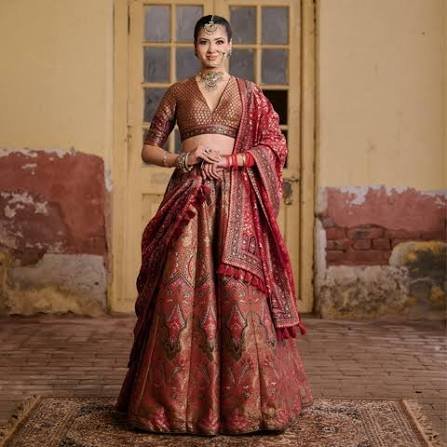
The world of fashion has always been a fluid, boundary-pushing tapestry of cultures, textures, and traditions. Among the many regional aesthetics that have captivated international runways, none possess quite the vibrant grandeur and intricate artistry of traditional attire from South Asia. In recent decades, Indian ethnic wear has evolved from being viewed as localized heritage garments to becoming a major source of inspiration for luxury fashion houses and contemporary designers around the world. From the ateliers of Paris and Milan to the bustling design studios of New York and London, global fashion leaders now view these traditional garments not merely as ethnic costumes, but as masterclasses in craft, drapery, and storytelling.
A Shift in Perspective: From Exotic Curiosity to Fine Art
Historically, Western fashion frequently viewed non-Western garments through an orientalist or exoticized lens. However, the modern fashion landscape has undergone a profound transformation. International designers today approach Indian ethnic wear with deep appreciation, recognizing the incredible skill, time, and heritage embedded within every thread.
What draws global couture houses to this aesthetic is its unmatched level of handcraftsmanship. In an era dominated by fast fashion and automated textile manufacturing, South Asian traditional garments remain grounded in artisanal techniques passed down through generations. Techniques such as Zardozi, Chikan, Gota Patti, and Aari embroidery offer a depth of texture that machine manufacturing simply cannot replicate. High-fashion icons like Dries Van Noten and Jean Paul Gaultier have long celebrated these elements, integrating intricate beadwork and metallic threadwork into their haute couture collections.
Key Elements Captivating International Runways
When global fashion creators analyze Indian ethnic wear, several core design philosophy traits stand out and influence their contemporary collections.
The Art of Fluid Drapery
Unlike Western tailoring, which often relies on structured cuts, darts, and rigid seams to form a silhouette, traditional South Asian garments prioritize fluid drapery. The saree, for instance, is six to nine yards of unstitched fabric transformed through folding, pleating, and wrapping.
International couturiers are fascinated by this versatility. Designers such as Jacquemus and Haider Ackermann have drawn inspiration from unstitched textile draping, incorporating wrapped silhouettes, liquid-like pleats, and asymmetric falls into modern evening gowns and casual luxury lines. The fluid elegance inherent in Indian ethnic wear teaches the global fashion industry that structure can be achieved through grace rather than rigid construction.
Masterful Craftsmanship and Embroidery
The soul of traditional attire lies in its embellishments. Global luxury houses—most notably Dior, Chanel, and Alexander McQueen—have relied on Indian embroidery ateliers in Mumbai and New Delhi for decades to bring their intricate haute couture visions to life.
When Maria Grazia Chiuri presented Dior’s Fall 2023 collection at the Gateway of India in Mumbai, it marked a historic recognition of this relationship. The runway showcased how Western tailoring could seamlessly blend with traditional hand-embroidery. International designers no longer hide these influences; they celebrate the artisanal heritage of Indian ethnic wear as the pinnacle of true luxury.
Bold Color Systems and Textile Diversity
Western fashion often operates within minimalist color palettes or seasonal trends. In contrast, traditional attire from South Asia treats color as an emotional language. The fearless pairing of vibrant hues—such as deep crimson, saffron orange, peacock blue, and emerald green—has inspired international fashion houses to experiment with richer palette combinations.
Furthermore, handwoven textiles like Kanjeevaram silk, Banarasi brocade, Chanderi, and Pashmina offer unprecedented tactile richness. Global designers frequently incorporate these structured, opulent fabrics into modern outerwear, tailored blazers, and red-carpet gowns, giving age-old weaving traditions a global stage.
Red Carpet Culture and Western Fusion
The global rise of cinematic crossovers, international galas, and high-profile events like the Met Gala and the Cannes Film Festival has further propelled Indian ethnic wear into mainstream high fashion.
When international celebrities choose to wear modern adaptations of sarees, lehengas, or sherwanis, it underscores a growing global appetite for cross-cultural elegance. Designers across North America and Europe are increasingly creating fusion garments—such as saree-gowns, embroidered pantsuits, and cape-draped dresses—that combine classic Western tailoring with the ornate beauty of Indian ethnic wear.
This cross-pollination benefits both worlds: Western designers expand their creative horizons, while traditional artisans gain worldwide recognition for their craftsmanship.
Sustainable Fashion and the Slow Textiles Movement
As the global fashion industry faces pressure to adopt sustainable practices, international creators are turning to historical garment traditions for answers. The ethos of traditional South Asian fashion aligns naturally with the principles of circularity and sustainability.
Zero-Waste Patterns
Traditional garments like the saree and the dupatta are zero-waste garments by design. Because they are unstitched, zero fabric is wasted during production. International designers seeking to minimize textile waste look to these techniques as sustainable design templates for the future.
Handloom and Natural Dyes
The global demand for eco-friendly luxury has renewed interest in hand-spun fabrics like Khadi and organic block-printed cottons using natural dyes. Overseas designers focused on ethical fashion frequently collaborate with artisan collectives, elevating raw, eco-conscious textiles into high-end international collections.
The Future of Cross-Cultural Design
The international perspective on traditional garments has shifted permanently. Indian ethnic wear is no longer seen as static or bound by geography; it is a dynamic, evolving design language that continues to shape global aesthetics.
As fashion becomes increasingly interconnected, the dialogue between international designers and South Asian traditions will only deepen. Modern design is moving past superficial borrowing toward authentic, collaborative creative exchanges. By honoring the craftsmanship, history, and structural brilliance of these traditional styles, global fashion ensures that this rich legacy continues to inspire generations of designers across every continent.